Unlocking Freedom: How to Choose the Best Motorhome Generator for Your Adventures
As the popularity of motorhome travel continues to soar, the demand for reliable power solutions has never been more critical. According to a report by the Recreation Vehicle Industry Association (RVIA), the motorhome market is projected to grow significantly, with a 20% increase in new registrations over the next five years. This rising trend underscores the importance of selecting the right motorhome generator to ensure that adventurers can enjoy their journeys without interruptions.
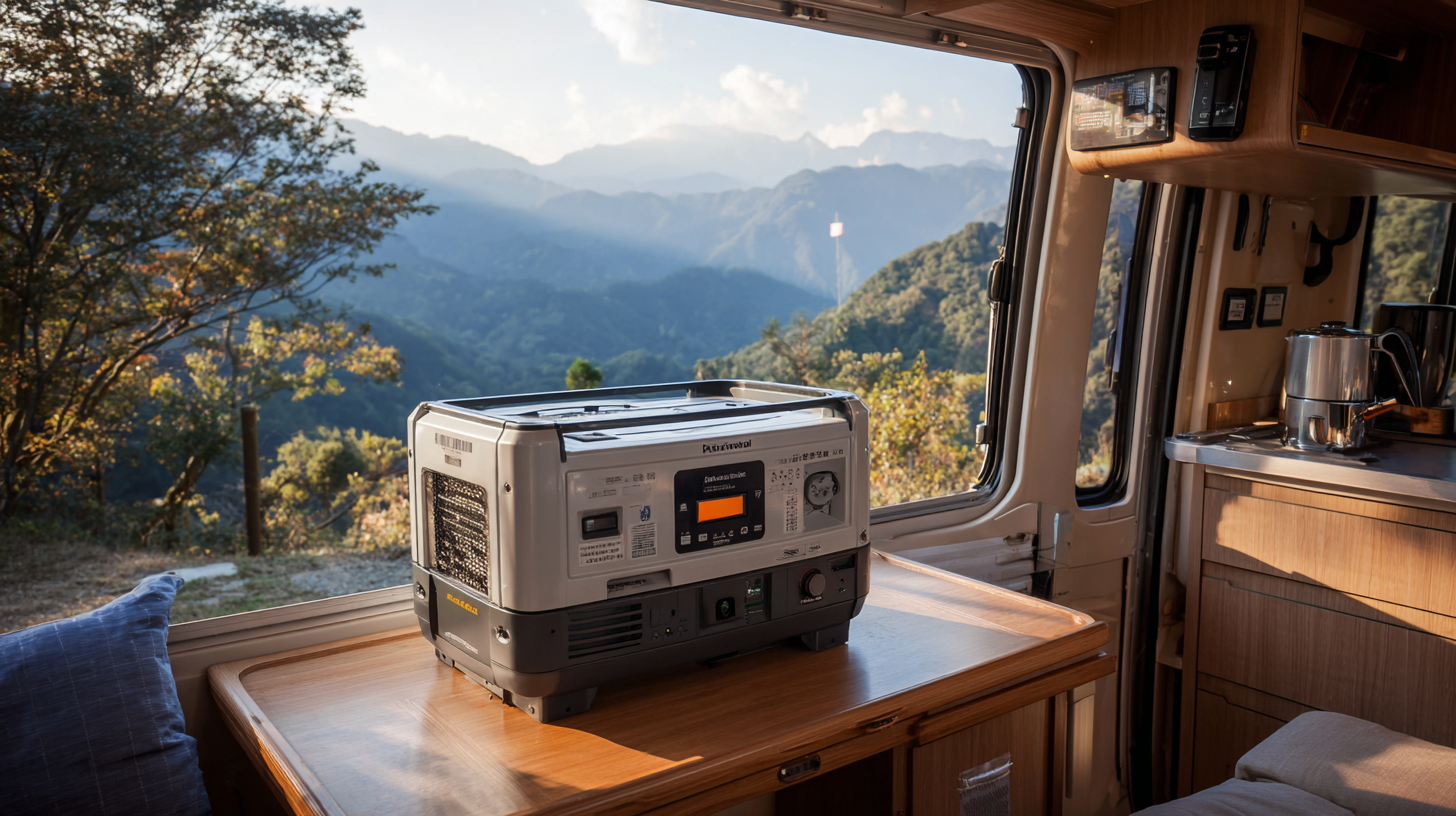 A suitable motorhome generator not only provides the necessary power for appliances and devices but also enhances the overall camping experience by offering the freedom to explore off-the-grid locations. With various options available, understanding the key features and specifications of motorhome generators can make a significant difference in your travel comfort and convenience. Embracing this knowledge will empower adventurers to embark on their journeys with confidence and capability.
Choosing the Right Generator Size: Power Needs for Your Motorhome
When selecting the ideal generator for your motorhome, understanding your power needs is essential. The first step in determining the right generator size involves calculating the total wattage required by your appliances and devices. Make a list of all the equipment you plan to power, including air conditioners, refrigerators, microwaves, and any electronics such as laptops or televisions. Each device will have a wattage rating, and summing these values gives a clear picture of your minimum generator requirement.
Next, consider the starting watts versus running watts, as many appliances require an initial surge of power to start up, which is higher than their running wattage. For instance, air conditioning units can demand significantly more power when first turned on. Account for these peak demands to ensure your generator can handle the load without tripping. It’s wise to add a buffer to your total wattage calculation—aiming for a generator that provides at least 20-25% more wattage than your total is a good rule of thumb. This ensures reliability and longevity, allowing you to enjoy your adventures worry-free, with power readily available for all your needs.
Types of Generators: Understanding Inverter vs. Conventional Options
When it comes to powering your motorhome during adventures, understanding the types of generators available is crucial. The two primary options are inverter generators and conventional generators, each catering to different needs. Inverter generators are known for their efficiency and quiet operation, producing clean power that is safe for sensitive electronics such as laptops and smartphones. According to a report by the Outdoor Power Equipment Institute (OPEI), approximately 65% of RV users prefer inverter generators for their superior versatility and fuel efficiency, which significantly enhances the overall camping experience.
Conversely, conventional generators offer a more powerful output and are typically less expensive upfront. They are categorized by their ability to deliver a steady stream of electricity, making them suitable for heavier power demands. However, they tend to be bulkier and noisier, which can detract from the tranquility of a natural setting. Industry estimates indicate that around 30% of motorhome owners still opt for conventional models due to their robustness, especially during prolonged excursions where high energy consumption is expected. Understanding the distinct characteristics and applications of these generators can help you make an informed decision for your next adventure.
Unlocking Freedom: Motorhome Generator Comparison
This chart compares the noise levels of Inverter and Conventional generators, showcasing how inverter generators offer quieter operation, making them more suitable for peaceful camping experiences.
Evaluating Noise Levels: Select a Quiet Generator for Peaceful Adventures
When embarking on your adventures in a motorhome, one of the essential components to consider is the generator you’ll rely on for power. Evaluating noise levels is crucial, as a quiet generator can significantly enhance your experience, allowing you to enjoy serene moments in nature without the constant hum of machinery. Many campers seek a generator that balances power output with low noise emissions. Models designed specifically for recreational use often feature advanced technology that reduces decibel levels, making them perfect companions for quiet camping trips.
When choosing a quiet generator, look for units that specify noise ratings in decibels (dB) and compare them with other models. Generators operating at or below 60 dB are generally considered quiet and won’t disrupt your peaceful surroundings. Additionally, consider features such as sound insulation and design, which can further help minimize noise. Investing in a quieter generator not only preserves the tranquility of your adventure but also promotes a more enjoyable environment for you and your fellow travelers.
Unlocking Freedom: How to Choose the Best Motorhome Generator for Your Adventures - Evaluating Noise Levels: Select a Quiet Generator for Peaceful Adventures
| Generator Model |
Power Output (Watts) |
Noise Level (dB) |
Fuel Type |
Run Time (Hours) |
| Model A |
2000 |
58 |
Gasoline |
10 |
| Model B |
3000 |
54 |
Propane |
8 |
| Model C |
2500 |
62 |
Diesel |
12 |
| Model D |
1800 |
59 |
Gasoline |
9 |
Fuel Efficiency Matters: Comparing Propane, Gasoline, and Diesel Generators
When it comes to choosing the best motorhome generator for your adventures, fuel efficiency is a critical factor. Among the popular options—propane, gasoline, and diesel generators—propane stands out for its environmental benefits and cost-effectiveness.
According to the U.S. Department of Energy, propane generators can achieve a fuel efficiency of up to 25% higher than gasoline-powered ones, making them an attractive choice for those looking to maximize their travel budget.
Gasoline generators, while widely available and often more affordable upfront, tend to have a higher operational cost due to lower fuel efficiency. The Energy Information Administration (EIA) reports that gasoline prices can fluctuate significantly, which may affect long-term travel costs.
Diesel generators, while typically more expensive initially, offer superior fuel efficiency, often up to 30% better than gasoline counterparts. This longevity in fuel usage often compensates for the higher initial investment, appealing to frequent RVers who prioritize extended travel without frequent refueling stops.
In summary, evaluating fuel types and their efficiency can play a crucial role in ensuring that your adventures remain cost-effective and enjoyable. Each fuel type presents unique benefits, making it essential to align your choice with your travel style and budget considerations.
Key Features to Look For: Portability, Start-Up Mechanisms, and Outlets
When selecting a motorhome generator for your adventures, three key features should be at the forefront of your decision-making: portability, start-up mechanisms, and outlets.
Portability is crucial, as you'll want a generator that can be easily transported and set up wherever you go. Look for lightweight models with convenient handles or wheels that allow for effortless movement. A compact design also helps maximize your storage space, ensuring you have room for other essential gear.
Start-up mechanisms are another important consideration. You can choose between
manual pull-start systems and more user-friendly
electric start options. Electric start mechanisms are particularly beneficial for those who may struggle with traditional pull-starts, allowing for quick and seamless operation. Be sure to consider models with built-in
safety features, such as low-oil shutdown, to protect both the generator and your adventures.
Lastly, evaluate the number and type of outlets available on the generator. Different devices will require various power needs, so having multiple options, including
standard 120V AC outlets,
USB ports, and even
12V DC outputs, can be a game-changer during your travels. Opt for generators that offer
versatility in power output and connections to ensure you can keep all your equipment charged and operational while enjoying the great outdoors.