How Standby Generators Ensure Your Home's Safety During Power Outages: A Comprehensive Guide
 In recent years, the reliance on electricity has intensified, making power outages not just an inconvenience but a potential threat to home safety and security. According to a report by the U.S. Energy Information Administration, nearly 9 million Americans experienced power outages in 2020 alone, with the trend expected to rise due to increasingly severe weather conditions and aging infrastructure. In this context, a standby generator emerges as a crucial solution to ensure continuous power supply during outages, safeguarding homes from situations such as food spoilage, loss of heating or cooling systems, and disruptions to essential medical equipment. By automatically detecting power interruptions and switching on within seconds, standby generators provide peace of mind and protection against the unpredictable nature of modern power grid reliability. This guide will delve into how standby generators operate, their benefits, and essential tips for selecting the right system for your home.
Understanding Standby Generators: How They Work and Their Benefits
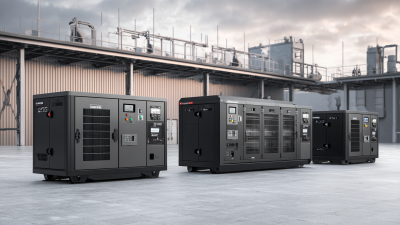
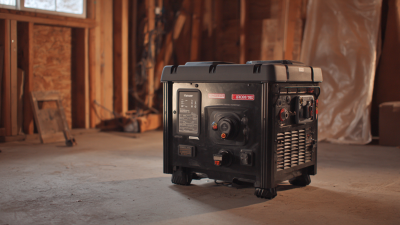
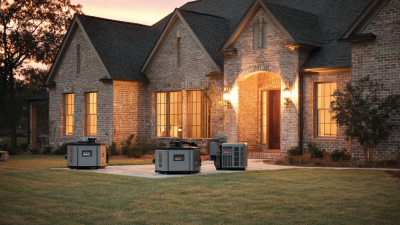
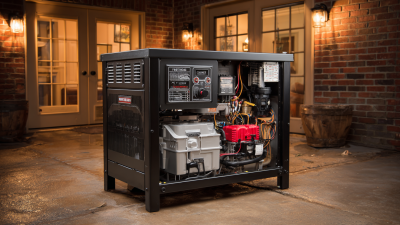
Standby generators serve as a reliable safety net for your home during power outages. These automatic systems provide power backup by detecting outages and quickly switching on to keep essential appliances running. Understanding how they work is crucial; when the grid fails, a generator powered by natural gas or propane kicks in, ensuring that your home's electricity supply remains uninterrupted. This instant response not only safeguards your perishable food items but also maintains the functionality of crucial systems like heating, cooling, and security alarms.
When considering the benefits of standby generators, the most notable aspect is peace of mind. With a reliable power backup system in place, you won’t be left in the dark, both literally and figuratively. Additionally, standby generators can increase your home’s value and attract potential buyers who appreciate the convenience of uninterrupted power.
Tips: Regular maintenance is key to ensuring your generator operates effectively. Schedule yearly inspections and test the system monthly to spot any issues early. Also, consider investing in a generator with a transfer switch for safe power management during outages. Lastly, choose one that meets your home's power requirements to avoid overload and ensure smooth operation.
Choosing the Right Standby Generator for Your Home's Needs
When it comes to choosing the right standby generator for your home, the options can be overwhelming. It's essential to evaluate your household's specific power requirements. Consider the appliances and systems that are critical for your family's safety and comfort during a power outage, such as refrigeration, heating or cooling systems, and medical equipment. Calculate the starting and running wattage of these devices to determine the minimum generator size you need.
Tips: Always opt for a generator with a slightly higher capacity than your calculated requirement to handle unexpected surges in power. Additionally, keep in mind the fuel type—natural gas, propane, or diesel—as each has its own pros and cons regarding availability and efficiency.
Another crucial factor to consider is the installation process. Professional installation ensures that your generator is safely connected to your home’s electrical system and complies with local regulations. If you’re considering a portable generator, remember that you'll need to manually connect it during an outage, which can be inconvenient.
Tips: Ensure that your standby generator has an automatic transfer switch for seamless operation and peace of mind. Regular maintenance checks are also vital to ensure your generator performs reliably when you most need it.
Installation Process: What to Expect When Adding a Standby Generator
The installation process of a standby generator is a critical step to ensure that your home is well-equipped to handle power outages. Initially, you will need a thorough assessment of your electrical requirements. This often involves engaging a certified electrician to determine the appropriate generator size based on your home’s power consumption needs. Generators are available in various power ratings, typically categorized as below 75 kVA, 75-375 kVA, 375-750 kVA, and above 750 kVA. Selecting the right power rating will have a direct impact on your home's energy needs during outages.
Once the size is determined, the next step is choosing the right fuel type, which typically includes options like diesel or natural gas. The installation process includes securing all necessary permits and adhering to local regulations, which may involve inspections from municipal authorities. After the necessary groundwork, the actual installation includes mounting the generator, connecting it to your home’s electrical system, and setting up an automatic transfer switch. This ensures that when the power goes out, your generator kicks in seamlessly, providing peace of mind and safety for your household.
How Standby Generators Ensure Your Home's Safety During Power Outages: A Comprehensive Guide - Installation Process: What to Expect When Adding a Standby Generator
| Installation Steps |
Description |
Estimated Time |
Cost Range |
| Site Assessment |
Evaluate the property for generator placement and utility connections. |
1-2 hours |
$100 - $250 |
| Permitting |
Obtain necessary local permits for installation. |
Varies |
$50 - $300 |
| Electrical Wiring |
Connect the generator to the home's electrical system. |
2-4 hours |
$500 - $1,500 |
| Fuel System Setup |
Install and connect the fuel supply system. |
1-3 hours |
$200 - $600 |
| System Testing |
Conduct tests to ensure the generator operates correctly. |
1-2 hours |
$100 - $200 |
| Final Inspection |
Review of installation to meet local codes. |
1 hour |
$100 - $300 |
Maintaining Your Standby Generator for Maximum Efficiency and Reliability
Maintaining your standby generator is crucial for ensuring its efficiency and reliability, especially during power outages. Regular maintenance not only prolongs the life of the generator but also guarantees optimal performance when you need it the most. According to market analysis, the global data center generators market is projected to grow significantly, driven by the increasing demand for uninterrupted power supply in various sectors, including residential setups that utilize standby generators. Ensuring that your generator is equipped with the right fuel type—such as diesel or gas—can enhance performance and efficiency.
To maximize the reliability of your standby generator, consider implementing these maintenance tips:
- First, routinely check and change the oil to prevent engine wear and overheating.
- Secondly, inspect the battery and connections; a weak battery can hinder startup during outages.
- Finally, keep the generator clean by removing any debris or dirt that can obstruct ventilation or functionality.
By adhering to these maintenance steps, you can ensure that your standby generator remains a dependable source of power during emergencies.
Safety Features of Standby Generators: Protecting Your Home During Outages
Standby generators play a crucial role in ensuring your home's safety during unexpected power outages. With storms becoming more powerful and frequent, homeowners are increasingly recognizing the importance of having an emergency power supply. According to recent reports, backup generators provide a reliable solution by enabling essential equipment to function normally, preventing food spoilage, maintaining heating or cooling systems, and ensuring uninterrupted connectivity for home security devices. This is especially vital in regions prone to severe weather disruptions.
Safety features of standby generators are designed to protect both your home and its occupants. Key functionalities include automatic transfer switches that enable a seamless transition to backup power without manual intervention, and fuel options such as natural gas or propane that ensure prolonged operation without the need for frequent refueling. Furthermore, modern generators are equipped with advanced surge protection to shield sensitive electronics from damage during power fluctuations, thereby minimizing the risk of electrical hazards. As a part of responsible emergency preparedness, it is essential to evaluate the generator’s specifications and select a model that fits your home’s power requirements and safety standards.
Standby Generators: Safety Features During Power Outages